Introduction
Choosing the right polyester sewing thread is essential for achieving strong seams, smooth sewing performance, and consistent product quality. Whether you manufacture garments, footwear, bags, home textiles, or industrial products, selecting the appropriate thread can improve production efficiency and reduce sewing problems.
However, with so many thread counts, colors, and quality levels available on the market, finding the right polyester sewing thread can be challenging. Buyers need to consider the fabric type, sewing application, production speed, and supplier reliability before making a purchasing decision.
In this guide, you will learn how to choose polyester sewing thread for different fabrics, sewing applications, and production needs.
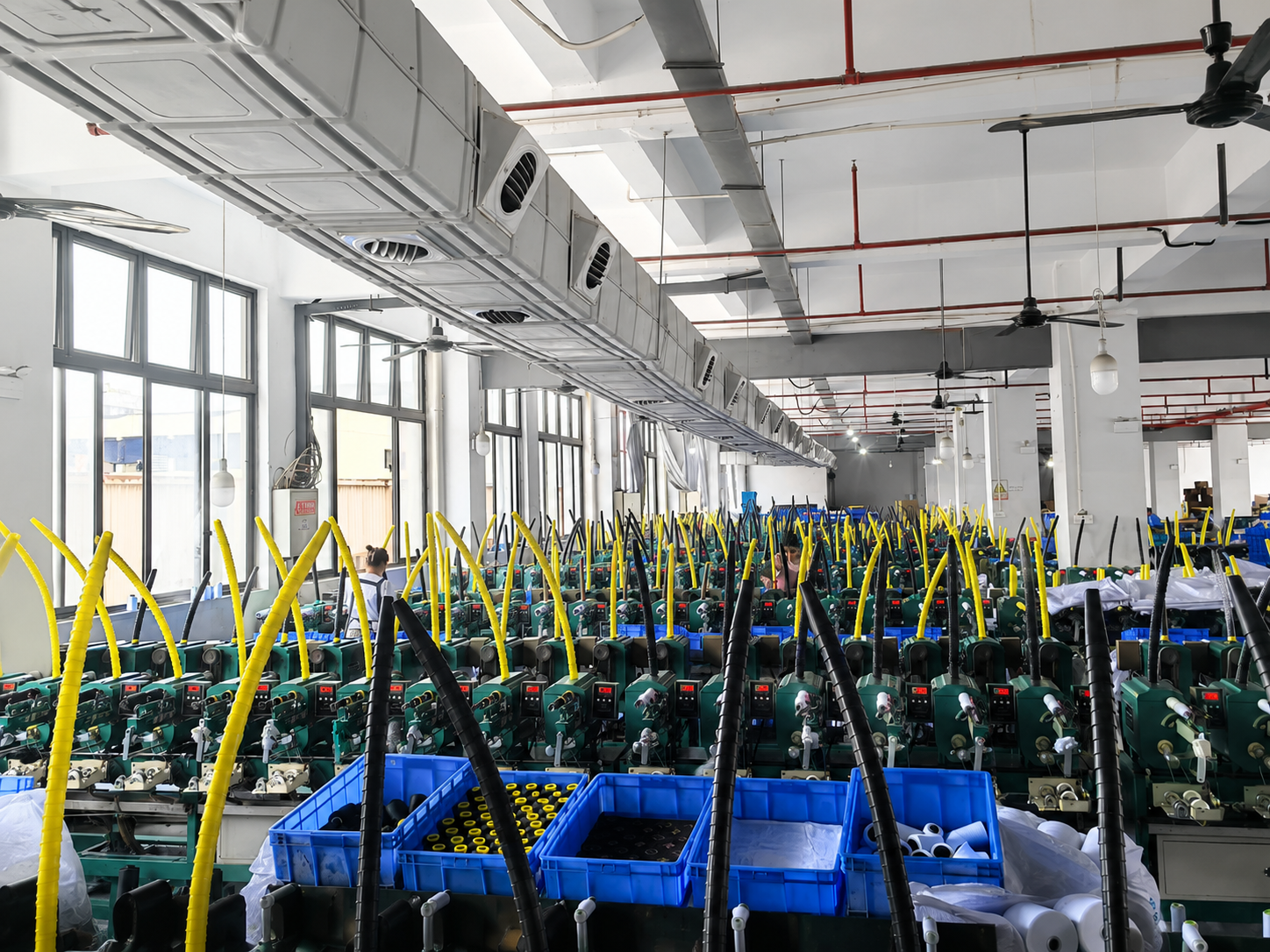
Understanding how to choose polyester sewing thread can help improve product quality, reduce sewing problems, and increase production efficiency.
What Is Polyester Sewing Thread?
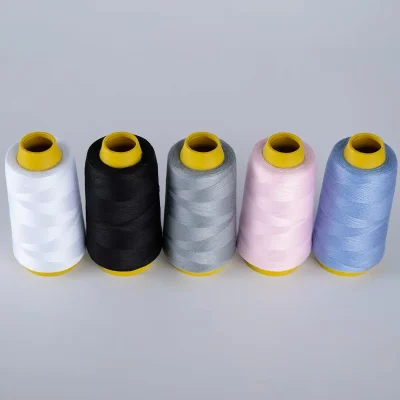
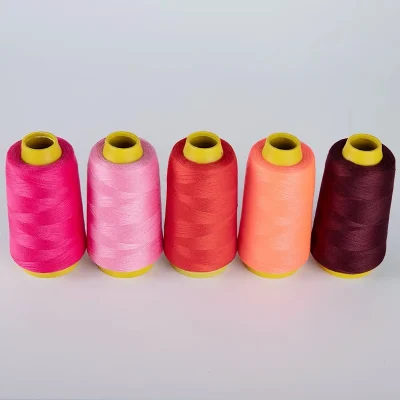
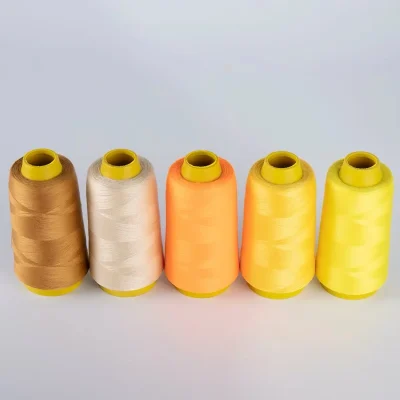
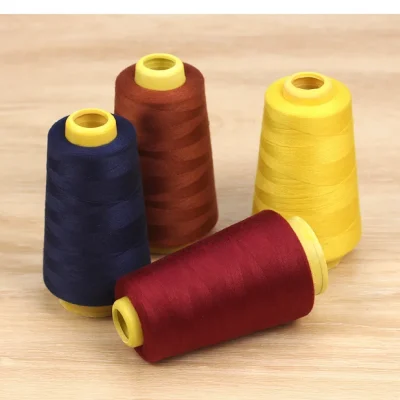
Polyester sewing thread is a high-strength sewing thread made from premium polyester fibers. It is one of the most widely used sewing threads in the textile industry because of its excellent durability, smooth sewing performance, and consistent quality.
Compared with cotton thread, polyester sewing thread offers higher tensile strength, better abrasion resistance, lower shrinkage, and excellent color fastness. These advantages make it suitable for both high-speed industrial sewing machines and manual sewing applications.
Today, polyester sewing thread is widely used in garments, sportswear, jeans, shoes, bags, home textiles, workwear, and many other textile products. Choosing the correct thread specification helps improve sewing efficiency, reduce thread breakage, and produce stronger, cleaner seams.
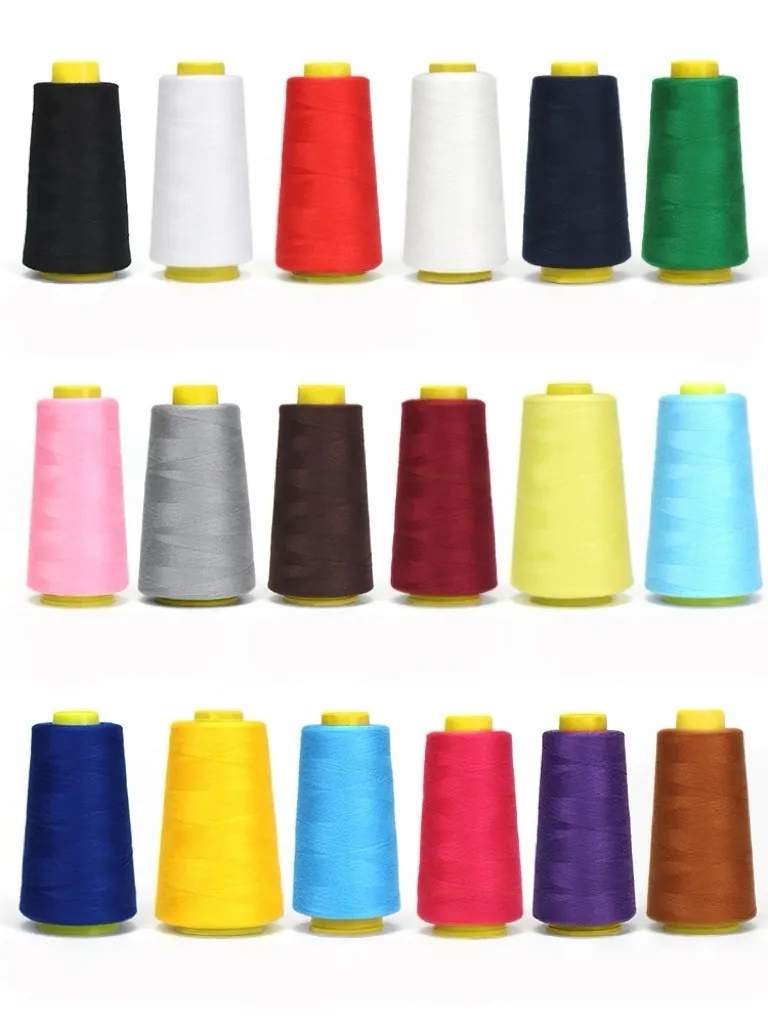
Why Is Polyester Sewing Thread So Popular?
Polyester sewing thread has become the preferred choice for manufacturers around the world because it combines strength, durability, and cost-effectiveness. It performs well on a wide range of fabrics and can meet the requirements of both light-duty and heavy-duty sewing applications.
Its excellent resistance to wear, moisture, and repeated washing allows finished products to maintain strong seams over a long period. In addition, polyester sewing thread runs smoothly on modern high-speed sewing machines, helping manufacturers improve productivity while reducing downtime caused by thread breakage.
For these reasons, polyester sewing thread is widely used by garment factories, footwear manufacturers, luggage producers, and home textile companies worldwide.
6 Key Factors to Consider When Choosing Polyester Sewing Thread
Choosing the right polyester sewing thread involves more than simply selecting a thread size. Different fabrics, sewing machines, and production requirements require different thread specifications. Before placing an order, buyers should carefully evaluate the following factors to ensure the best sewing performance and product quality.
Choose the Right Thread Count
Thread count is one of the most important factors when selecting polyester sewing thread. Different thread counts are designed for different fabric weights and sewing applications.
For example, 20/2 and 20/3 are suitable for heavy-duty products such as denim, bags, and leather goods. 40/2 and 40/3 are commonly used for shirts, trousers, uniforms, and sportswear. 50/2 and 60/2 are better choices for lightweight garments and delicate fabrics.
Choosing the correct thread count improves seam strength, sewing efficiency, and the overall appearance of finished products.
Consider the Fabric Type
Different fabrics require different sewing thread characteristics. Thick fabrics usually need stronger and thicker threads, while lightweight fabrics require finer threads to achieve clean and smooth stitching.
Matching the thread to the fabric helps prevent seam puckering, thread breakage, and uneven stitching while improving the durability of the final product.
Check Thread Quality
High-quality polyester sewing thread should have consistent thickness, excellent tensile strength, low lint, and smooth winding. Poor-quality thread may cause frequent breakage, skipped stitches, and reduced production efficiency.
Choosing a reliable manufacturer ensures stable quality and consistent performance throughout every production batch.
Evaluate Color Fastness and Color Consistency
Color fastness is another important factor when selecting polyester sewing thread. High-quality thread should maintain its original color after repeated washing, ironing, and daily use.
Consistent color between different production batches is equally important, especially for brands that require the same color standard for long-term production. Choosing a manufacturer with a professional dyeing process helps ensure stable and reliable color quality.
Ensure Compatibility with Your Sewing Machines
Different sewing machines have different performance requirements. High-speed industrial sewing machines require sewing thread with excellent lubrication, smooth winding, and low lint to reduce friction and minimize thread breakage.
Before placing a large order, it is recommended to test the thread on your production equipment to ensure stable performance and maximum sewing efficiency.
Choose a Reliable Manufacturer
Selecting a reliable polyester sewing thread manufacturer is just as important as choosing the right thread specification. An experienced supplier can provide consistent product quality, professional technical support, stable production capacity, and on-time delivery.
When evaluating a manufacturer, consider their production experience, quality control system, customization capabilities, export experience, and customer service. A trustworthy supplier can help reduce production risks and support your business in the long term.
Common Mistakes Buyers Should Avoid
Many buyers focus only on price when purchasing polyester sewing thread. However, choosing the lowest-priced product may lead to frequent thread breakage, inconsistent color, poor sewing performance, and higher production costs.
Another common mistake is selecting the wrong thread count for the fabric or ignoring compatibility with sewing machines. Taking time to evaluate product quality and supplier reliability before purchasing can help avoid unnecessary production problems.
Why Choose SC Sewing Thread?
Choosing the right supplier is just as important as choosing the right sewing thread.
SC Sewing Thread is a professional polyester sewing thread manufacturer in China with more than 30 years of production experience. We are committed to providing stable quality, consistent color, competitive factory pricing, and reliable delivery for customers worldwide.
Our products are widely used in garments, footwear, bags, home textiles, workwear, and many other industries. We also provide OEM and private label services, customized colors, cone sizes, and packaging to meet different market requirements.
Whether you are a wholesaler, distributor, trading company, or garment manufacturer, our team is ready to help you find the right polyester sewing thread solution for your business.
Conclusion
Choosing the right polyester sewing thread is essential for improving product quality, production efficiency, and long-term manufacturing performance.
By considering thread count, fabric type, thread quality, color fastness, machine compatibility, and supplier reliability, buyers can make more informed purchasing decisions and avoid unnecessary production problems.
Working with an experienced manufacturer can also provide long-term value through stable quality, professional support, and customized solutions.
Looking for a reliable polyester sewing thread supplier?
SC Sewing Thread provides high-quality polyester sewing thread with stable quality, OEM customization, competitive factory prices, and fast worldwide delivery.
Contact us today to request a quotation, product catalog, or free sample. We look forward to supporting your business.